Section Computational
Sensomotorics
Department of Cognitive Neurology
CIN.jpg
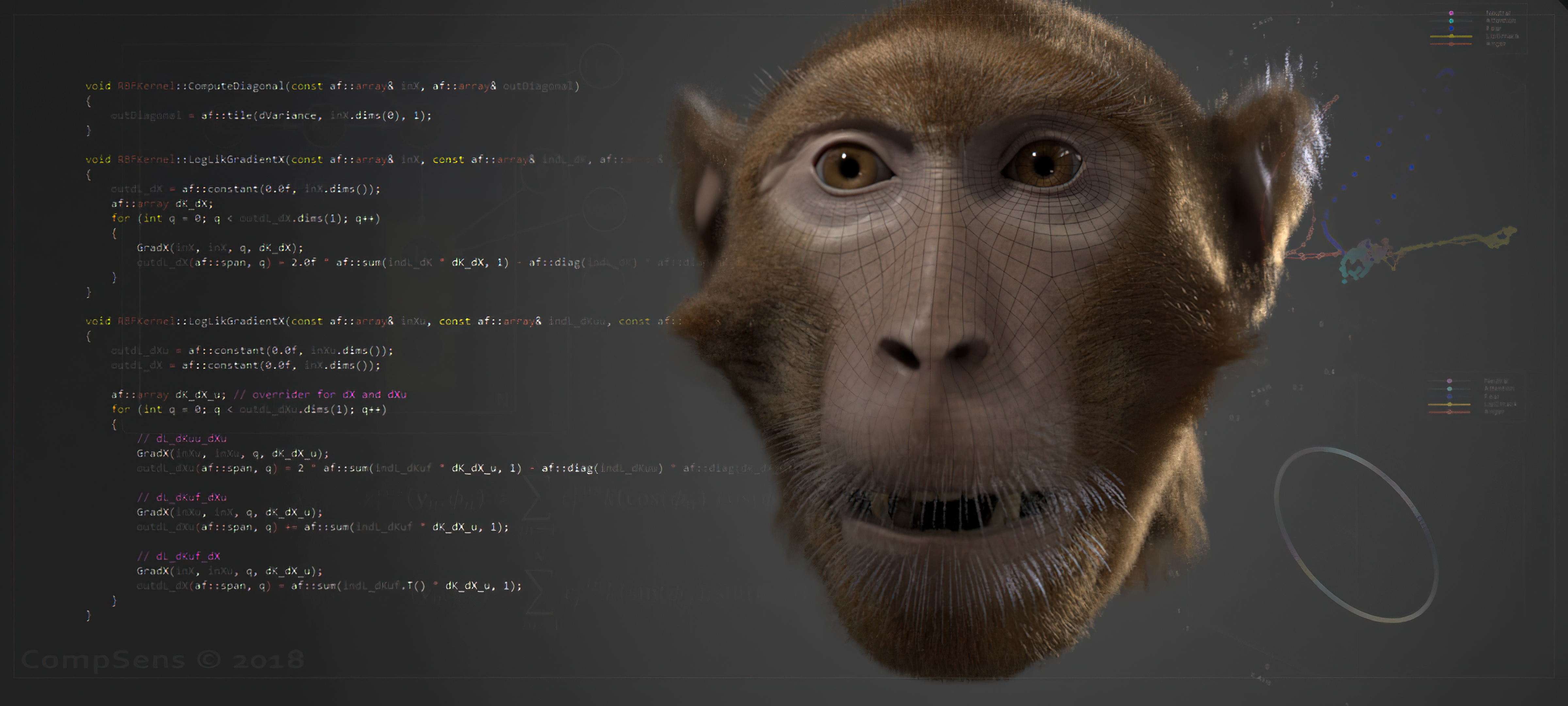
MonkeyHead_SlideShow_Full_2.jpg
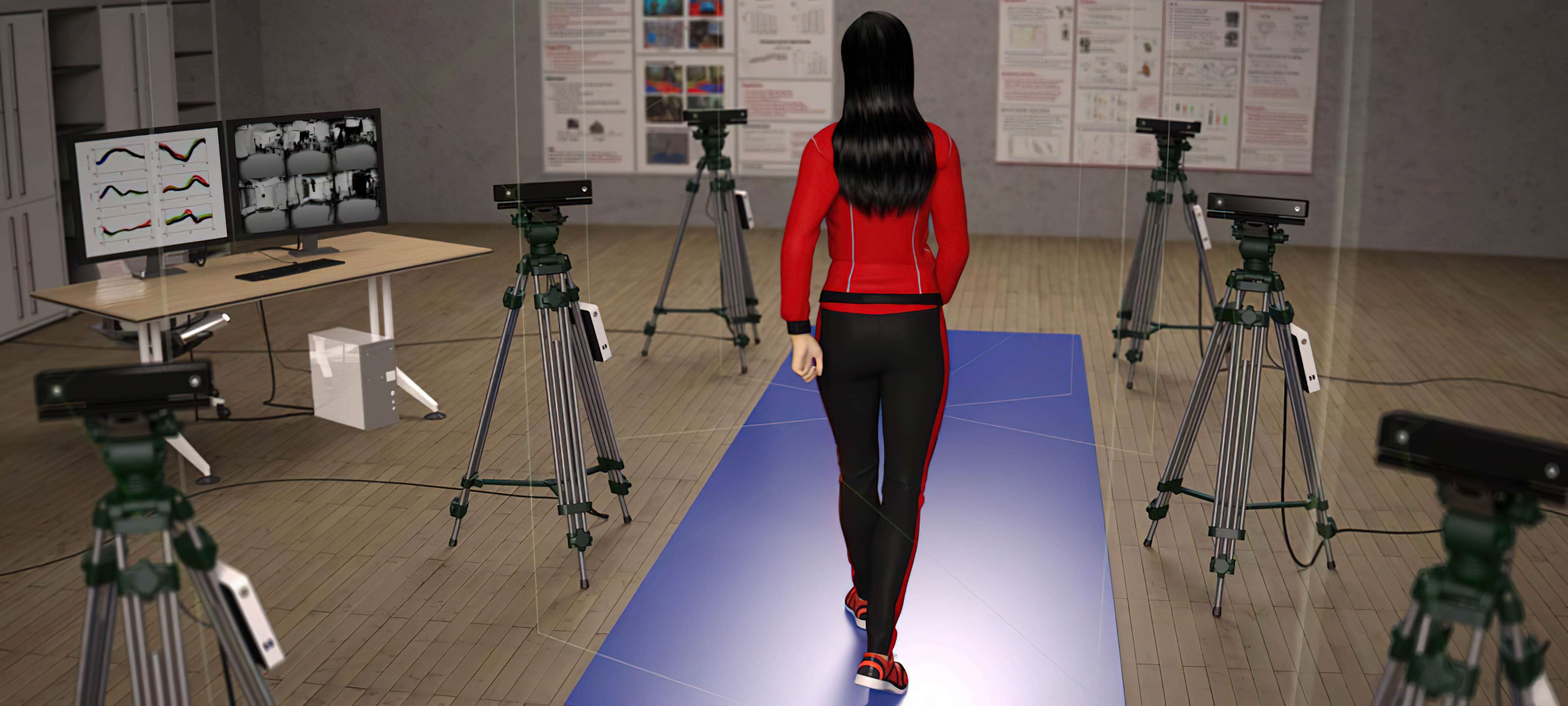
KinectSystemLab.jpg

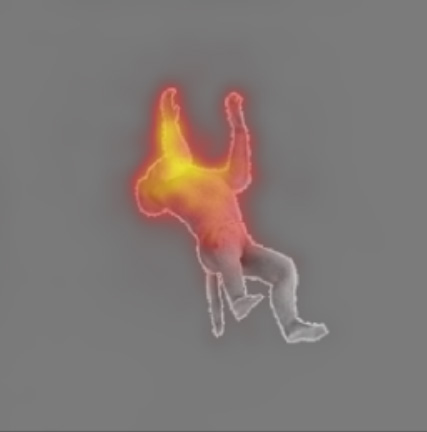
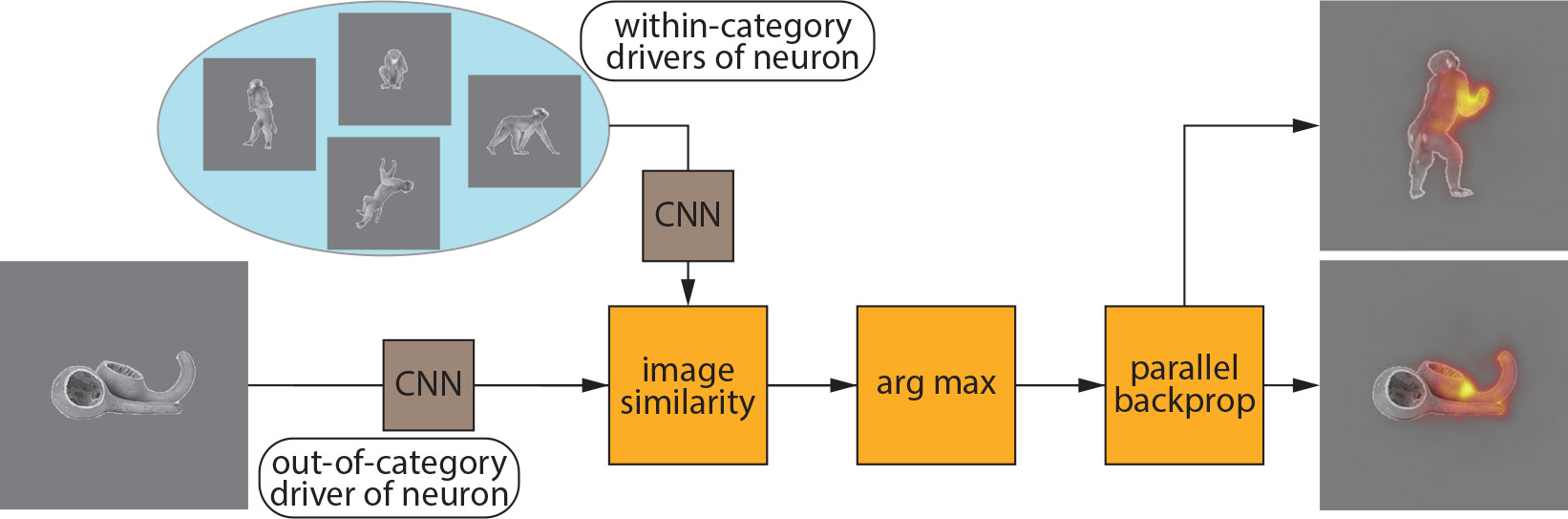
Our paper on shared-feature visualization was accepted as a spotlight at NeurIPS 2024

We propose a visualization technique to study visual features that drive neurons in the brain across semantic categories.

Link: https://arxiv.org/pdf/2405.09827

4‑Aminopyridine improves real‑life gait performance in SCA27B on a single‑subject level: a prospective n‑of‑1 treatment experience


Effective treatments are still rare in degenerative ataxias, the identification of the underlying gene defect in an increasing number of ataxias allows for targeted treatment developments and evaluations as part of a “precision medicine for ataxia”. In particular, the recently identified SCA27B, caused by GAA-repeat expansions in FGF14 , might not only represent one of the most common genetic causes of ataxia , but also respond at least partially to 4-aminopyridine (4-AP).

However, objective quantitative evidence for the efficacy of 4-AP in SCA27B is still starkly absent, inter alia due to the scarcity of pertinent outcome measures. For evaluating the treatment effects in both clinical trials and individual patient treatment settings, sensitive outcome measures have to be identified that show a change meaningful to patients. Gait assessment and in particular analysis of real-life walking behavior—which is ecologically more meaningful than in-clinic or lab assessments—can provide meaningful outcome measures for evaluating treatment interventions, as cerebellar ataxia patients report gait and functional mobility impairments as having the greatest impact on their daily lives.

Here, we present the first prospective single-subject gait sensor data in different walking conditions (including patient’s everyday life) with vs without 4-AP, demonstrating that (i) 4-AP improves ataxia-related gait characteristics in SCA27B, and that (ii) gait parameters assessable by body-worn sensors allow to capture the 4-AP on-/off effects also in—ecologically highly relevant—real-life conditions, even on a single subject level.

These results suggest that gait measures of step variability (in particular lateral step deviation) and gait regularity may serve as promising sensitive and meaningful and ecologically valid outcome measures, resulting in significantly smaller sample size compared to the SARA score as primary outcome. This is of immediate interest for the design of ataxia treatment trials.
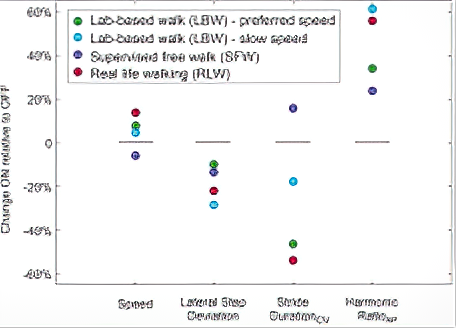
Figure 1 Changes in ON relative to OFF for representative gait measures in ataxia-related gait domains for different walking conditions. Changes are computed by comparison of ON and OFF  gait assessments which took place just 3 weeks apart in April 2023.


The full paper can be found here.

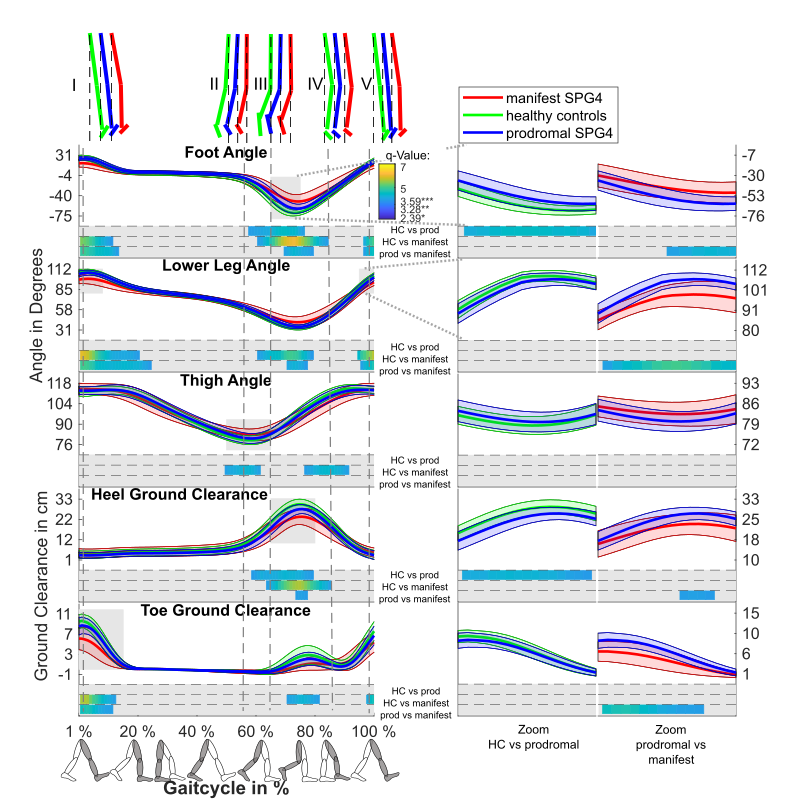
Specific Gait Changes in Prodromal Hereditary Spastic Paraplegia Type 4: preSPG4 Study

In this study, we identified specific movement abnormalities in prodromal subjects with hereditary spastic paraplegia type 4, before the manifestation of spastic gait. Specific gait changes could be quantified in recordings in a movement laboratory during gait. The gait alterations mainly occur during the swing phase and in the most distal joints of the leg, which can be explained by the length-dependent degeneration of the cortico-spinal tract. We identified gait characteristics that serve as direct accessible biomarkers and correlate with other disease-related markers such as neurofilament light chain or central motor conduction times. 


Laßmann C, Ilg W, Schneider M, Völker M, Haeufle DFB, Schüle R, Giese M, Synofzik M, Schöls L, Rattay TW. Specific Gait Changes in Prodromal Hereditary Spastic Paraplegia Type 4: preSPG4 Study. Mov Disord. 2022 Dec;37(12):2417-2426. doi: 10.1002/mds.29199. [Epub 2022 Aug 29. PMID: 36054444.]


Dysfunctional neuro-muscular mechanisms explain gradual gait changes in prodromal spastic paraplegia

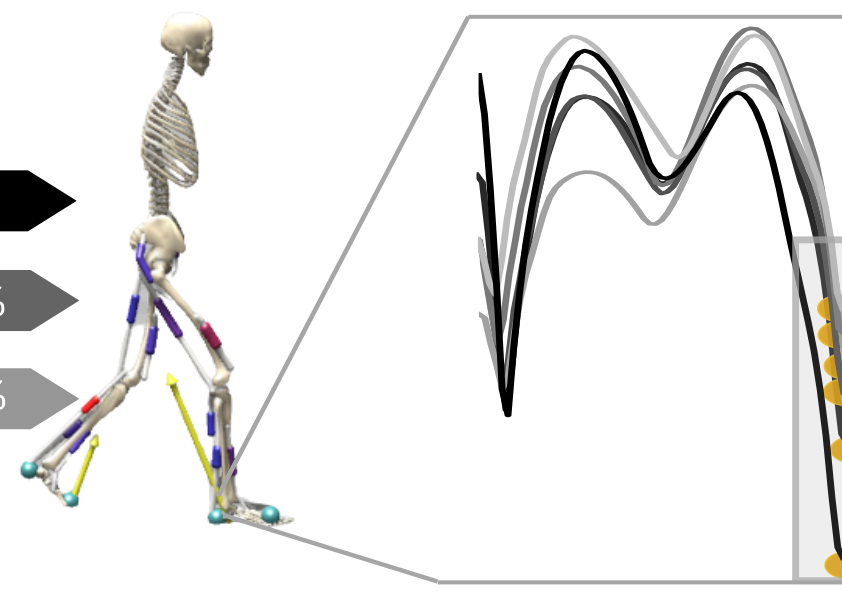
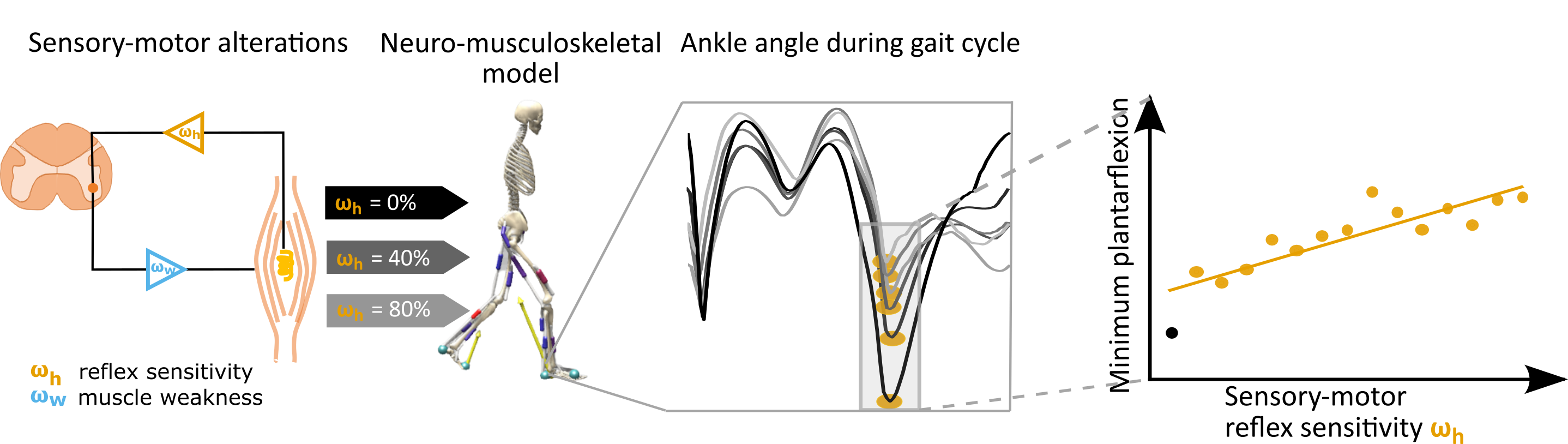
In this paper we predict gait deviations found in prodromal hereditary spastic paraplegia  type 4 (SPG4) based on hyperreflexia and muscle weakness in a neuro-musculoskeletal model. We found that an increased velocity feedback in the stretch reflex explains gradual gait and muscle activation changes from the prodromal to a mild-to-moderate state of SPG4. More severe gait changes, i.e. toe gait, can be predicted by a combination of hyperreflexia and muscle weakness. We conclude that neuro-musculoskeletal models are a valid tool to predict disease severity based on physiological plausible alterations in SPG4 and can be used to design and evaluate future therapeutic interventions. Our work was published in the Journal of Neuro Engineering and Rehabilitation and was presented on the International Symposium on Computer Methods in Biomechanics and Biomedical Engineering (CMBBE) and the ISPGR World Congress.
 
Lassmann, C., Ilg, W., Rattay, T.W. et al. Dysfunctional neuro-muscular mechanisms explain gradual gait changes in prodromal spastic paraplegia. J NeuroEngineering Rehabil 2023; 20 (1):1-19. doi: 10.1186/s12984-023-01206-8. [Epub 2023 July 15. PMID: 37454121.]
 

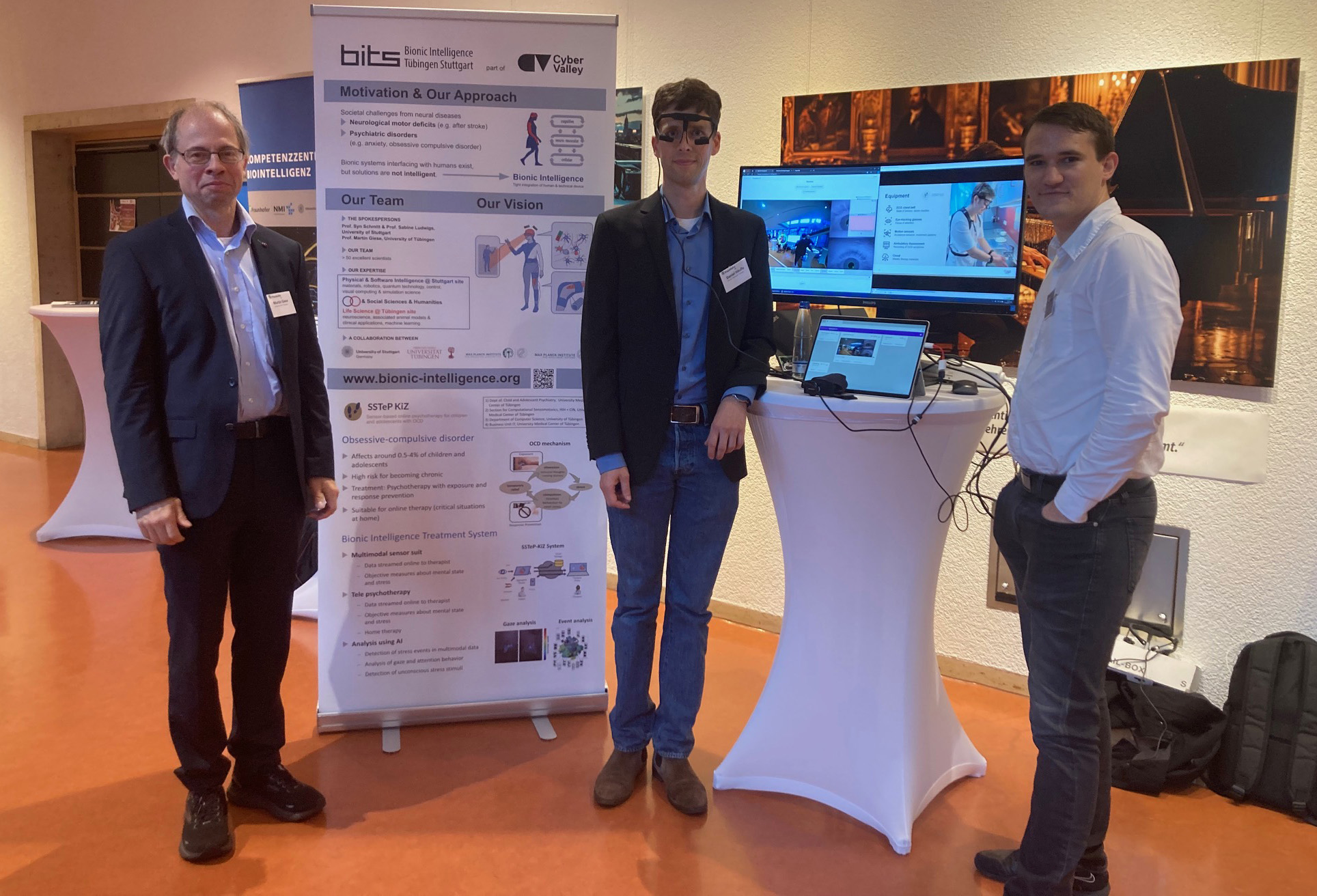
SSTeP KiZ project presents multimodal sensor setup at Data for Health Conference in Berlin featuring minister of health Karl Lauterbach

Berlin, 20 June & 21 June 2023 - The SSTeP KiZ project was represented at the Data for Health Conference in Berlin, organized by the Federal Ministry of Health. The two-day event featured discussions on best practices regarding health data and transatlantic access. At the SSTeP KiZ booth, guests were presented with the results of the project and showcased the multimodal sensor setup. The demo in our booth also found approval with Karl Lauterbach, the German Minister of Health, who gave our technical setup a try himself.

Information

All images and videos displayed on this webpage are protected by copyright law. These copyrights are owned by Computational Sensomotorics.

If you wish to use any of the content featured on this webpage for purposes other than personal viewing, please contact us for permission.

Social Media

We use cookies

We use cookies on our website. Some of them are essential for the operation of the site, while others help us to improve this site and the user experience (tracking cookies). You can decide for yourself whether you want to allow cookies or not. Please note that if you reject them, you may not be able to use all the functionalities of the site.